Angellie: A Display Font That Brings Handmade Products to Life
Last weekend, I sat at my worktable with a fresh candle label template open on my laptop. The wax had just set in the jars, lavender and cedar filling the room, and all that stood between me and a finished product was the right typeface. I had tried a half-dozen fonts already—some too stiff, others too playful—but nothing captured the quiet elegance I wanted for this batch. Then I opened Angellie for the first time. The moment I saw those sleek lines and graceful curves, I knew I had found the voice for my labels. That small creative breakthrough changed how I approach every project now, from packaging to printables, and I want to share what makes this display font such a natural fit for handmade sellers and product makers.
The Personality of Angellie: Elegant, Modern, and Undeniably Flair-Filled
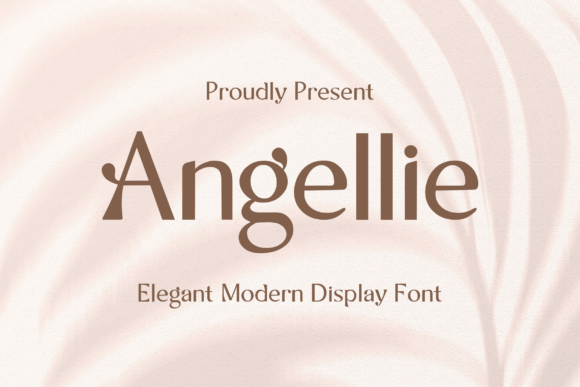
Angellie is a display font with a distinctly modern personality. It carries a refined, almost editorial feel while remaining approachable enough for everyday craft use. The characters are tall and slender, with gentle curves that give each letter a sense of movement. There is a lightness to it—an airy quality that makes words feel like they are floating just above the page. This is not a font that shouts. It invites attention through grace rather than volume. For makers who sell handmade goods, this kind of visual charm is pure gold. A font like Angellie tells your customer that you care about the details, that your product is thoughtfully made, and that the experience of unboxing or reading your card matters just as much as the item itself.
When I tested Angellie on a greeting card mockup, I noticed immediately how it elevated the entire design. The word "hello" set in this font felt like a warm embrace. The letterforms have a natural rhythm that makes even a single word feel complete. That is the mark of a well-crafted typeface—it does not need embellishment to feel finished. Angellie brings that same polish to everything it touches, whether you are designing a wedding invitation suite or a simple thank-you tag for a shop order.
Bringing Angellie into Your Handmade Workflow
As a maker, I am always looking for fonts that translate well across different materials and production methods. Angellie performs beautifully in a range of applications, and I have tested it on several projects over the past few weeks. Here is where it really shines.
Candle Labels and Product Packaging
Candle labels demand a font that feels luxurious without being fussy. Angellie fits this perfectly. I used it for a small batch of lavender-scented soy candles, setting the scent name in Angellie and pairing it with a clean sans serif for the ingredient list. The contrast was striking. The elegant curves of Angellie drew the eye to the product name, while the simpler companion font kept the rest of the label readable and clean. For makers who sell bath and body products, Angellie can add a boutique feel without requiring expensive design work. Just a well-chosen typeface and a simple layout can transform a plain jar into something that feels premium.
Greeting Cards and Wedding Invitations
Greeting cards are where Angellie truly comes alive. I designed a set of birthday cards using the font for the main greeting, then added a handwritten-style script for a smaller sentiment inside. The combination created a layered, handmade look that felt both modern and personal. Wedding invitation designers will also appreciate how Angellie handles formal wording. The font has enough elegance for "Mr. and Mrs." or "Together with their families," yet it never feels stiff. It keeps the invitation warm and inviting, which is exactly the tone most couples want for their big day.
Printable Wall Art and Digital Downloads
Printable wall art is a popular category on platforms like Etsy, and Angellie is an excellent choice for typographic prints. I tested it on a motivational quote poster, setting the main phrase in Angellie and the attribution line in a simple serif. The result was gallery-ready. The font's clean lines ensure that even at larger sizes, the letters remain crisp and easy to read. For sellers who create digital templates, Angellie also works well in preview images. It photographs beautifully in mockups, which means your listing images will stand out in search results.
Stickers, Tags, and Boutique Labels
Small-scale products like stickers and tags require fonts that remain legible at reduced sizes. Angellie holds up surprisingly well when scaled down. I printed a set of thank-you tags for a craft fair, and the lettering was clear and elegant even on tags only two inches wide. The key is to keep the text short—Angellie is a display font, so it works best for names, single words, or short phrases. For longer text, pair it with a simpler companion font. This approach keeps your tags looking professional and intentional.
How Angellie Affects Product Presentation and Customer Perception
Font choice is one of the most underrated elements of product presentation. Customers may not consciously notice the typeface, but they feel its effect. A font like Angellie communicates quality, care, and a modern aesthetic. When someone picks up a candle with an elegant label, they subconsciously associate that elegance with the product itself. The same is true for cards, prints, and packaging. Using a premium display font like Angellie signals that you are a maker who values design. It builds trust and makes your shop feel cohesive.
Brand consistency is another benefit. Once you settle on Angellie as your primary display font, you can use it across your entire product line—labels, tags, social media graphics, and even your logo. This creates a unified look that customers will start to recognize. Over time, that recognition becomes brand loyalty. I have started using Angellie on my shop banners and listing images, and the visual consistency has made my storefront feel more polished and professional.
Readability Tips for Cutting Machines and Printed Merchandise
If you use a cutting machine like Cricut or Silhouette, you know that not every font cuts well. Angellie, with its relatively clean letterforms, performs admirably on vinyl and iron-on materials. I tested it on a tote bag design using heat transfer vinyl, and the letters weeded cleanly without any thin sections breaking. For best results, enlarge the text slightly and avoid overly intricate swashes if your machine struggles with fine details. The standard character set of Angellie is well-suited to physical production, and the font's natural elegance shines through even in cut vinyl.
For printed merchandise like mugs, shirts, and signs, Angellie maintains its charm across different substrates. I used it for a farmhouse-style wooden sign, and the clean lines contrasted beautifully with the grain of the wood. The font's modern feel kept the sign from looking too rustic or dated. It is a versatile choice that adapts to both contemporary and traditional designs.
Font Pairing Ideas for a Cohesive Look
Angellie is a display font, which means it works best when paired with a simpler, more neutral typeface for body text or supporting details. I have found several combinations that work well in practice.
- Angellie with a clean sans serif font: This is my go-to pairing for product labels. The sans serif provides readability for ingredient lists or care instructions, while Angellie takes center stage for the product name. Look for a sans serif with a similar weight and modern feel, such as a geometric or neutral style.
- Angellie with a simple serif font: For wedding invitations or formal stationery, pairing Angellie with a classic serif creates a timeless, sophisticated look. The serif adds a touch of tradition, while Angellie keeps the design fresh and current.
- Angellie with a script or handwritten font: This combination is perfect for greeting cards and printable wall art. The script adds a personal, handmade feel, while Angellie provides structure and elegance. Use Angellie for the main phrase and the script for a smaller accent or signature.
- Angellie with a bold display font: If you want to create contrast and hierarchy, pair Angellie with a bolder display font for headings or emphasis. This works well for packaging where you want to highlight a specific feature or benefit.
What to Check Before Using Angellie for Commercial Products
Before you start selling products that use Angellie, there are a few practical considerations to keep in mind. First, review the font's included styles and alternates. Some display fonts come with multiple weights, ligatures, swashes, or stylistic sets that can expand your design options. Angellie offers a range of features that make it even more versatile, so take the time to explore what is included in the file you download.
Second, check the available file formats. Most premium fonts include OTF, TTF, or both. OTF files often contain more advanced typographic features, so if you are using design software that supports OpenType, choose the OTF version. For cutting machine software, TTF is usually the safer option.
Third, verify multilingual support if you sell to an international audience. Many display fonts include accented characters and special glyphs for languages beyond English. Angellie's coverage in this area will determine whether you can use it for bilingual packaging or global market products.
Finally, and most importantly, review the commercial font licensing. Selling physical products like candles, shirts, mugs, or prints generally requires a commercial license. The same is true for digital downloads such as printable wall art, planner pages, or template designs. Some licenses also cover social media graphics and web use, while others may require an extended license for certain applications. Read the terms carefully to ensure you are fully compliant. Investing in the right license protects your business and supports the type designer who created the font.
Real Projects Where Angellie Makes a Difference
To give you a clearer picture of how Angellie fits into a real maker's workflow, here are a few projects I have personally completed using this font. Each one reinforced why I keep coming back to it.
For a set of seasonal holiday tags, I used Angellie to spell out "Merry Christmas" in a soft ivory ink on kraft paper. The font's elegant curves contrasted beautifully with the rough texture of the paper, creating a tag that felt both rustic and refined. I paired it with a simple sans serif for the year and a small handwritten note on the back. The tags sold out at my first craft fair.
For a wedding welcome board, I set the couple's names in Angellie at a large size, then added the event details in a lightweight serif font below. The board was printed on foam core and displayed at the reception entrance. The bride later told me that several guests asked who designed the sign, assuming it was custom calligraphy. That is the power of a well-chosen display font—it mimics the artistry of hand-lettering while offering the consistency and scalability of a digital typeface.
For digital planners, I created a set of cover pages using Angellie for the month names and section titles. The font's clean lines made the pages look professional and cohesive, and the floral accents I added in the corners complemented the typeface's graceful personality. Customers appreciated the polished look, and the covers became some of my best-selling items.
Making Angellie Your Own
Every maker has a unique creative voice. Angellie is a tool that helps you express that voice with clarity and elegance. Whether you are designing candle labels, greeting cards, wedding invitations, printable wall art, stickers, boutique tags, tote bags, signs, or seasonal decor, this font brings a level of sophistication that elevates your work. It is not just a typeface—it is a design asset that communicates care, quality, and intention.
As you experiment with Angellie in your own projects, pay attention to how it makes you feel as a creator. When you see your product name set in those graceful letterforms, you will understand why typography matters. The right font does not just complete a design—it transforms it. Angellie has become a staple in my creative toolkit, and I suspect it will become one in yours too.